The Preflight Brief and the Numbers the Student Owns
An early lesson in slow flight and stalls starts at the whiteboard, not on the ramp. Before we stepped out, I asked my student to tell me, not just recite, what the ACS tolerances are for altitude, heading, and airspeed during these maneuvers. Too often, students remember the idea but not the numbers. For slow flight, that means maintaining altitude within 100 feet, heading within 10 degrees, and keeping the airspeed just above stall. For stalls, the ACS wants the student to recognize the first indication and recover promptly with minimal altitude loss, typically no more than a couple hundred feet for the private checkride.
We talked through why each number matters. The altitude tolerance is not just a limit for the examiner; it reflects the ability to hold a pitch attitude while distracted. Heading control shows you're coordinated. Airspeed discipline keeps you safe in the regime where the margin above stall is thin. If the student skips this conversation, they're guessing at what "good enough" means in the air.
I had the student brief the maneuvers back to me using the checklist, focusing on the ACS wording. For each step, clearing turns, configuration, entry, recognition, recovery, we drew lines to the tolerances. This way, the student heard early that the tolerances are not just examiner tricks but the backbone of safe flight.
Keep reading: How to Assemble a Pre-Solo Package Under 14 CFR 61.87
Clearing Turns, Altitude Floor and Practice Area Etiquette
Out at the run-up area, I asked the student to call up the practice area frequency and announce our intentions before taxi. Many instructors skip this, but in a busy airspace, announcing "Cessna 12345 departing for east practice area, slow flight and stalls, 3500 to 4500 feet" tells everyone where we'll be and what to expect. It's basic courtesy but also sets the example for professional radio work.
After takeoff, en route to the practice area, I had the student brief the minimum safe altitude. For most single-engine trainers, a common practice is to stay at least 1500 feet above the ground. That altitude floor is not negotiable when practicing stalls. I asked the student to identify the highest terrain in the area and add a buffer. If the area is crowded, we coordinate with other aircraft to deconflict blocks of altitude.
At our chosen altitude, the student performed two clearing turns, each at least 90 degrees. I checked that they stayed within 100 feet of assigned altitude and kept the bank shallow. We discussed how examiners often watch clearing turns for basic pitch and bank control before the maneuver even begins. Sloppy clearing turns set a tone for what follows.
Slow Flight Above the Stall Warning, Not Below It
In the maneuver, I asked the student to slow the aircraft to just above the stall warning, with flaps extended as specified in the ACS. The student had practiced this before, but I made them verbalize out loud when they heard the horn or saw the first buffet. Many students want to "prove" they can fly slower, but the ACS is clear: the requirement is to maintain flight at the slowest airspeed without a stall warning.
We talked through why this matters. Flying below the stall warning is not only outside the ACS but also risks an unintentional stall, especially if distracted by heading or altitude. Instructors sometimes let students get too slow, thinking it builds skill. On the checkride, this is an instant unsat.
During slow flight, the student had to juggle pitch for altitude and power for airspeed, all while keeping the ball centered. The first few passes, their altitude wandered 60 to 80 feet low, especially in turns. I had them pick a visual reference and call out their altitude every 10 seconds. The discipline showed in the numbers: tighter altitude, less drift, and better situational awareness.
When adding turns, the student's footwork lagged. I pointed out how the increased angle of attack in a turn brings the stall speed up. We reviewed how the tolerances do not relax in a bank: still within 100 feet, still within 10 degrees. I had the student roll into a shallow turn, and we watched the stall warning come on earlier than in level flight. This drove home why coordination and smoothness matter most in this regime.
Keep reading: Part 61 or Part 141: What Changes for a Two Airplane School
Power Off Stalls: First Indication, Recovery, Minimum Loss
Next, we set up for power-off stalls, simulating an approach to landing. I asked the student to verbalize each step from the checklist: carb heat on, power to idle, flaps down in increments, and a stabilized descent. The entry was smooth, but as we slowed, I reminded the student to look outside and not just at the airspeed indicator. The ACS wants the recovery at the first indication of stall, not after a full break.
We discussed what counts as "first indication": stall warning horn, pre-stall buffet, or a marked loss of control effectiveness. Some students tend to wait for the nose to drop, but examiners are watching for early recognition. On our first try, the student waited for the nose to pitch down. I pointed out that we had already lost 200 feet. On the next attempt, after hearing the horn, they advanced throttle, reduced the angle of attack, and minimized altitude loss.
A key point was the order of recovery actions. Throttle forward, nose attitude lowered, then flaps retracted as positive rate is established. If the student skips a step or rushes the flap retraction, the recovery gets sloppy and altitude loss increases. I had them repeat the sequence, watching the VSI and altimeter together. Each time, I asked them to call out "stall indication," "recovery initiated," and "positive rate," building a habit of verbalizing critical moments.
We tracked the altitude loss each time. The best recoveries stayed under 150 feet, while the slowest response approached the checkride limit. I emphasized that the real skill is not in recovering from a dramatic stall, but in reacting early with precise control inputs.
Power On Stalls and the Yaw the Student Is Not Watching
For power-on stalls, I challenged the student to brief the differences: higher power setting, less flap, and more right rudder required. The ACS still wants recognition at the first indication, but the setup is more dynamic. Many students, focused on pitch, forget about yaw. I drew their attention to the ball during the entry.
On the first attempt, as the student brought the nose up and advanced throttle, the aircraft yawed left. The heading drifted almost 25 degrees before the stall warning sounded. I paused the maneuver to review why this happens: increased torque, P-factor, and slipstream. The tolerances for heading control remain tight, but the workload increases as the nose climbs.
We worked on a trick: feet ready on the rudder before advancing power, eyes outside but glancing at the turn coordinator. After three more tries, the student started to catch the yaw within the first five degrees. I emphasized that on a checkride, an examiner will note not just the heading at start and finish, but whether the student let the nose wander during the stall entry itself.
Recovery from the power-on stall was smoother, but the student had to remember to lower the nose enough to break the stall while keeping the climb attitude. Rushing the nose forward can cause unnecessary altitude loss, while being too gentle risks a secondary stall. We practiced until the recovery movements matched the ACS flow: smooth, deliberate, and with minimal heading change.
See how PreflightLog handles this for flight training
Where the Tolerances Bite in the Turn
Most errors in slow flight and stalls show up during turns. The student may hold altitude in level slow flight, but when asked to turn ten degrees left or right, the nose drops, the stall warning chirps, and altitude sags. The ACS does not grant extra leeway here: the 100-foot rule still applies, and so does heading discipline.
I asked the student to fly slow flight, then turn twenty degrees left, all while narrating airspeed, altitude, and coordination. On the first try, the nose fell through the horizon and the altitude dropped 120 feet. We stopped, reset, and talked about why: in slow flight, lift is already at a premium, and a slight bank steals what little margin remains. The solution is to anticipate the need for slight back pressure and increased rudder before beginning the turn.
We practiced shallow turns at the edge of the stall warning, emphasizing coordination. I had the student glance at the inclinometer and identify any slip or skid. The ACS is clear: if the turn is uncoordinated during any portion, it's not a passing maneuver. After several repetitions, the student began to call out "ball centered" before and during each turn.
I shared a story from a previous student who consistently lost altitude in slow flight turns. The fix came when we focused on sight picture, using the wingtip's position relative to the horizon, and a smooth, coordinated entry. The lesson: the tolerances bite hardest not on the straight lines, but in the transitions. That's where habits built in practice show up under checkride pressure.
The Debrief and What Goes Into the Record
Back on the ground, we debriefed each maneuver against the ACS standards. I had the student grade themselves: altitude held or busted, heading within limits, airspeed at the proper margin, and recovery initiated at the first indication. We broke down each error and tied it to a specific ACS requirement.
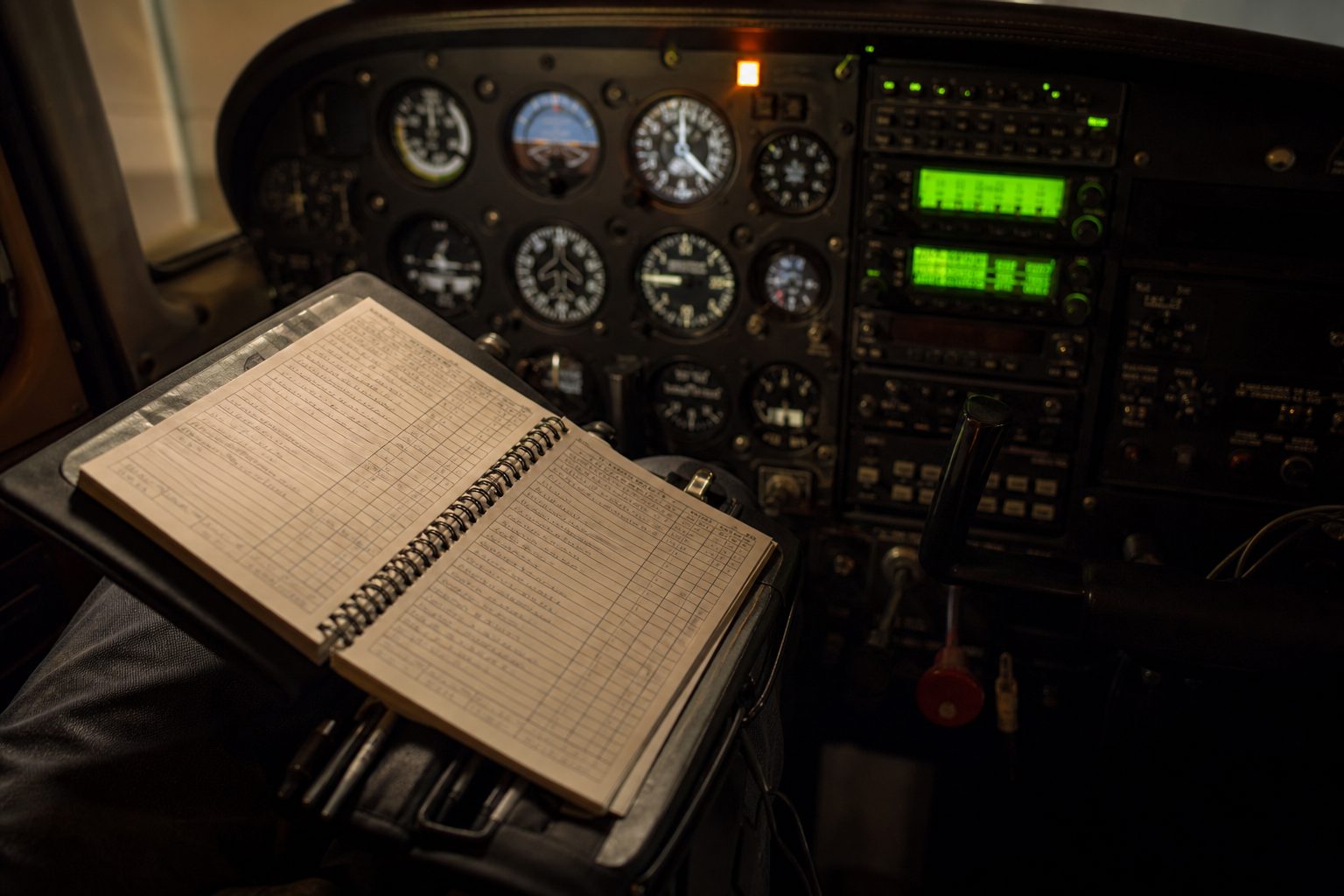
Endorsements and stage check signoffs depend on more than just "felt good" or "looked fine." The student needs a record that shows not just completion but proficiency within tolerances. In a busy flight school, tracking these details by memory or with paper notes is a recipe for missed steps. I showed the student the progress tracking log, where each maneuver is scored against the ACS, and comments record both strengths and improvement areas.
For instructors, a tracking tool that allows progress to be mapped against the practical test standards, with detailed endorsement records and a quick view of stage check readiness, streamlines the process. It ensures nothing slips through the cracks and gives both student and instructor a clear roadmap to checkride readiness. This is where a digital system built for flight training, like PreflightLog, earns its keep.