Confirming Eligibility Under 61.103 on Paper
Before recommending a student for a private pilot practical test, instructors must document that every eligibility requirement under 14 CFR 61.103 is met. These include age, language, and citizenship or TSA approval. Do not rely on memory or verbal confirmation. Hold the applicant's government-issued photo ID and proof of citizenship or TSA clearance in your hands. Make a copy for your own records, as some local FSDOs may request it later.
Check that the applicant is at least 17 years old by the scheduled test date. The FAA will not issue a private pilot certificate to a candidate who is even a day short. Confirm English proficiency in reading, speaking, writing, and understanding. If the applicant is not a US citizen, ensure the proper TSA approval is on file, and reference it in your own signoff notes.
Keep reading: What One Dual Hour Costs to Deliver, Line by Line
Auditing the Logbook Against the 61.109 Experience Table
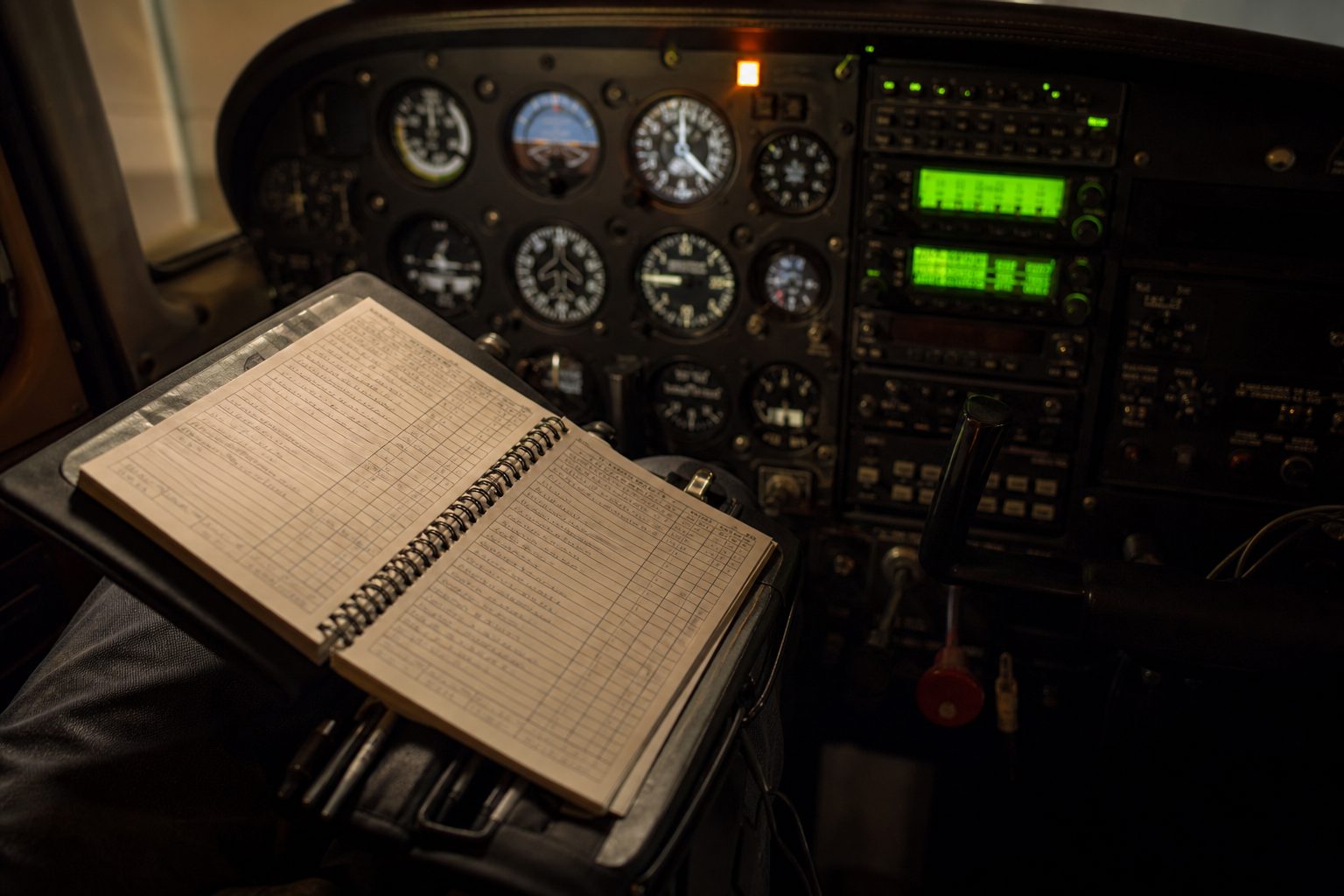
Every checkride bust that gets traced back to missing aeronautical experience is preventable. Print or open the 61.109 table for the category and class sought. Go line by line with the student's logbook, paper or electronic, and highlight the first and last dates for each experience bucket.
For private pilot airplane single-engine applicants, you will verify at least 40 hours total time as a pilot, with at least 20 hours of dual and 10 hours of solo. Under those umbrellas, confirm specifics: three hours of night flight, ten night takeoffs and landings to a full stop, three hours of cross-country, and so forth. If there is a night cross-country requirement, check the log entry for airports at least 50 nautical miles apart.
Some students come up short on night landings, instrument training, or solo cross-country. Others are missing the three hours of flight within two calendar months before the test. Write down any deficiencies and resolve them before scheduling the checkride. Double-check that training was given by a CFI with an unexpired certificate and the required ratings.
The Endorsements 61.39 Requires Before the Test
Endorsements are as critical as flight hours. Without them, the DPE will not start the checkride. Under 61.39, three specific endorsements are mandatory for a private pilot applicant. Each must include exact wording as shown in the current advisory circular, the date, and the CFI's signature, certificate number, and expiration date.
- Preparation for the practical test: This statement certifies that the applicant has received and logged the required training and is prepared for the checkride.
- Review of deficiencies from the knowledge test: For every missed question on the knowledge test, log a review. Many DPEs want to see each missed question listed, with a one-on-one debrief in the logbook or a separate training record.
- Spin awareness: For airplane single-engine applicants, this verifies that the student has received training in stall and spin awareness, even though actual spins are not required.
If your endorsements are missing, incomplete, or not in the current FAA format, fix them before test day. Use a checklist or endorsement generator tool to avoid old or misworded entries.
Keep reading: A Morning of Slow Flight and Stalls, Flown to ACS Tolerances
Knowledge Test Report, Its Expiration and the Deficiency Sign Off
The original Airman Knowledge Test Report (AKTR) is required at the checkride. No copies, no "my instructor has it," and no screenshots. Instructors should see and initial the original AKTR before the checkride. The test is valid for 24 calendar months from the date printed on the report.
On the back of the AKTR, review the list of missed questions. Each must be debriefed with the applicant and signed off in the logbook. Some instructors use a separate sheet, but the FAA prefers the logbook endorsement. DPEs often ask applicants what they missed, so encourage your student to keep a copy and understand their weak areas.
If the test report is lost, apply for a replacement through the FAA's Airman Certification Branch. This can take time. Plan ahead to avoid test day surprises.
IACRA, the FTN and the 8710 Application
The digital era has moved most pilot applications to the FAA's IACRA system. Before the checkride, the applicant must have a completed 8710-1 application in IACRA, with all blocks filled and each required digital signature in place.
FTN (FAA Tracking Number)
Every applicant receives an FTN when they register in IACRA. This unique number ties together knowledge test results, application, and later certificate privileges. Confirm that the FTN on the AKTR matches the FTN in IACRA and on the application. Mismatches can delay certification.
CFI Action Items in IACRA
As the recommending instructor, you must log in, review the student's application, and sign electronically. Do this before the checkride day. Some DPEs will not proceed if the CFI signature is missing. Print the summary sheet to bring to the checkride or have an electronic copy available.
Double-check that the student's name matches exactly across all documents: AKTR, IACRA, and government-issued photo ID. Discrepancies can cause delays or require correction before the practical test.
See how PreflightLog handles this for flight training
Aircraft Records: Registration, Inspections and Airworthiness Directives
The applicant must show the examiner that the aircraft is legally airworthy. The DPE is entitled to review key documents, and many require them before beginning the oral exam. Gather these records in advance.
- Registration: The original aircraft registration card must be in the plane. A temporary registration is only acceptable if the FAA has not yet mailed the permanent card. Check the expiration date.
- Airworthiness certificate: This must be in view, legible, and for the correct N-number.
- Required inspections: Bring the logbook or digital record showing current annual inspection, 100-hour (if required), ELT inspection, transponder check, and, for aircraft operated under instrument rules, the pitot-static system check.
- Airworthiness Directives (ADs): Provide evidence that all applicable ADs have been complied with and noted as current in the maintenance logs.
If the test will use a rental or club aircraft, work with the owner or maintenance officer a week ahead. Confirm that all records will be in the aircraft or easily accessible for the examiner's review.
Fee, Scheduling and a Plan for a Discontinued Test
DPEs set their own fees, which can vary widely by region. Confirm the cost, payment method, and whether payment is due in advance, at the test, or after completion. Some DPEs only accept checks, while others take electronic payment.
Schedule the test with extra time for weather, maintenance, or paperwork delays. Check the DPE's cancellation policy and rescheduling fees. If the checkride is discontinued due to weather, aircraft issues, or a personal emergency, the applicant retains credit for completed portions for sixty days. Make a plan to finish within that window.
Discuss up front who will pay for a second aircraft rental or DPE fee if the test is discontinued. Put this plan in writing, especially for flight schools or club operations.
The Night Before Walk Through
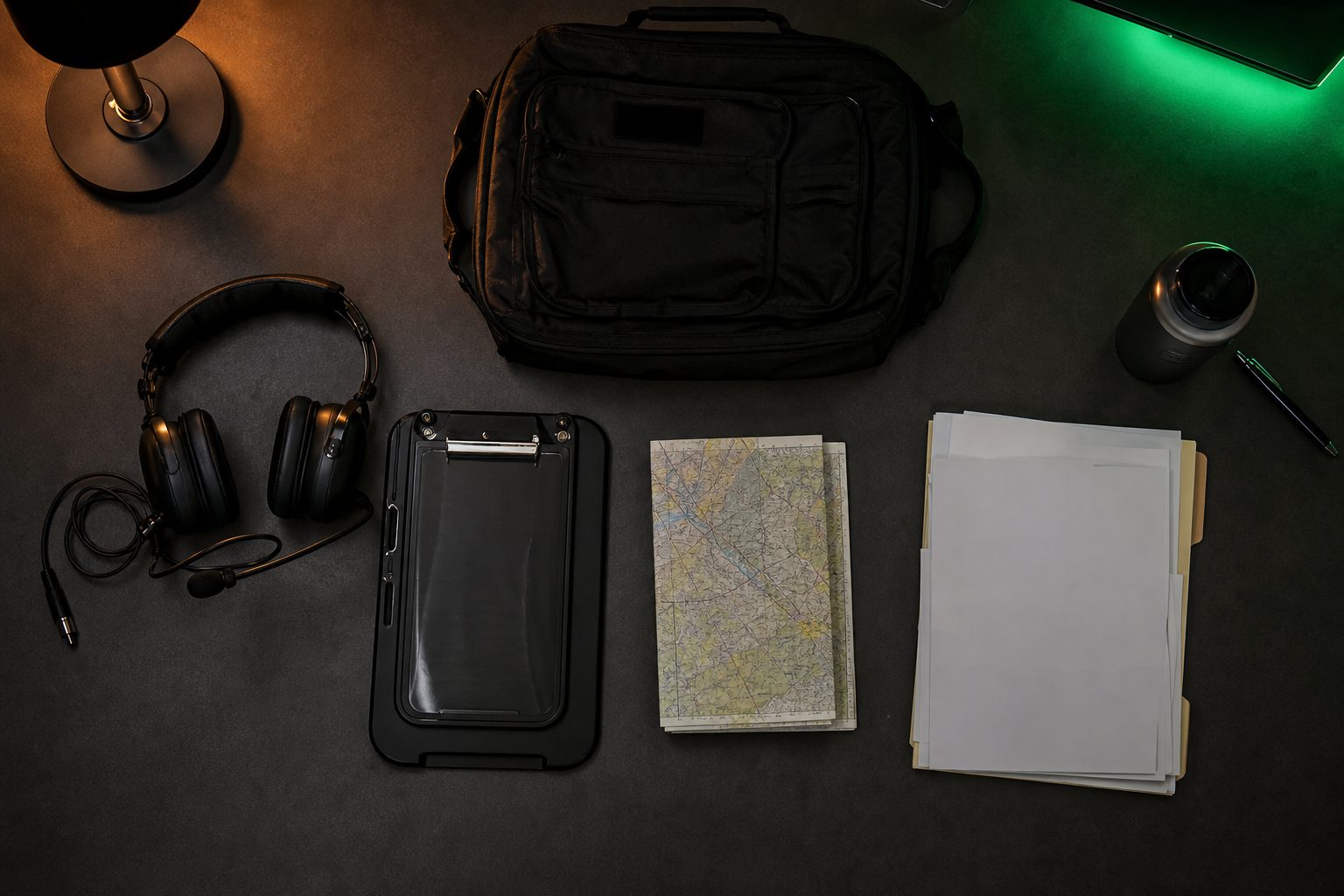
The best time to catch missing paperwork is not on checkride morning, but the night before. Sit down with the applicant and walk through every item the DPE will ask for. Lay out the logbook, aircraft documents, AKTR, and a printed IACRA summary. Re-read each endorsement and double-check that every signature, date, and certificate number is present.
Review the aircraft squawk sheet, hobbs/tach time, and fuel state. Make sure headset batteries, charts, and navigation apps are updated. Set aside a backup pen and any personal items the applicant will need.
A pre-checkride dry run, using a checklist with all the above, can prevent almost every paperwork bust. Many instructors and schools now use digital platforms that track student readiness, endorsements, and experience against the practical test standards. These tools can save time and avoid errors, giving both instructor and applicant confidence that everything is in order for the big day.